In an era where security threats are increasingly sophisticated, selecting the appropriate Closed-Circuit Television (CCTV) system for your facility is more critical than ever. Whether you're securing a corporate office in Cairo, a residential compound in Giza, or an industrial site across Egypt's governorates, the right CCTV setup can deter crime, provide valuable evidence, and enhance overall safety. This comprehensive guide draws from industry best practices, technological advancements as of 2025, and insights into the Egyptian market to help you make an informed decision. We'll cover everything from assessing your needs to future-proofing your investment, ensuring your system is robust, scalable, and cost-effective.
With the global video surveillance market valued at approximately $33.8 billion in 2024 for equipment and software, and projected to grow significantly driven by AI integration and smart city initiatives, Egyptian businesses and residents are increasingly adopting advanced surveillance solutions. However, choosing incorrectly can lead to inadequate coverage, high maintenance costs, or privacy concerns. Let's dive into the key factors to consider.
1. Assessing Your Facility's Security Needs
Before exploring camera types or features, conduct a thorough risk assessment. Identify vulnerable areas such as entrances, parking lots, warehouses, or high-value asset storage. Consider environmental factors like lighting conditions, weather exposure (crucial in Egypt's diverse climates from coastal humidity to desert dust), and potential vandalism risks.
Key questions to ask: What is the primary purpose—deterrence, monitoring, or evidence collection? How large is the area? Are there regulatory requirements, such as those for banks or hospitals under Egyptian law? A professional site survey, often offered by providers like EGY Blanco for Security, can reveal blind spots and optimize camera placement.
Steps for Effective Assessment:
- Map your facility layout and mark high-risk zones.
- Evaluate current threats based on historical incidents or industry data.
- Determine required coverage: full perimeter, indoor-only, or hybrid.
- Consider integration with existing systems like alarms or access control.
- Budget for scalability to accommodate future expansions.
2. Understanding Different Types of CCTV Cameras
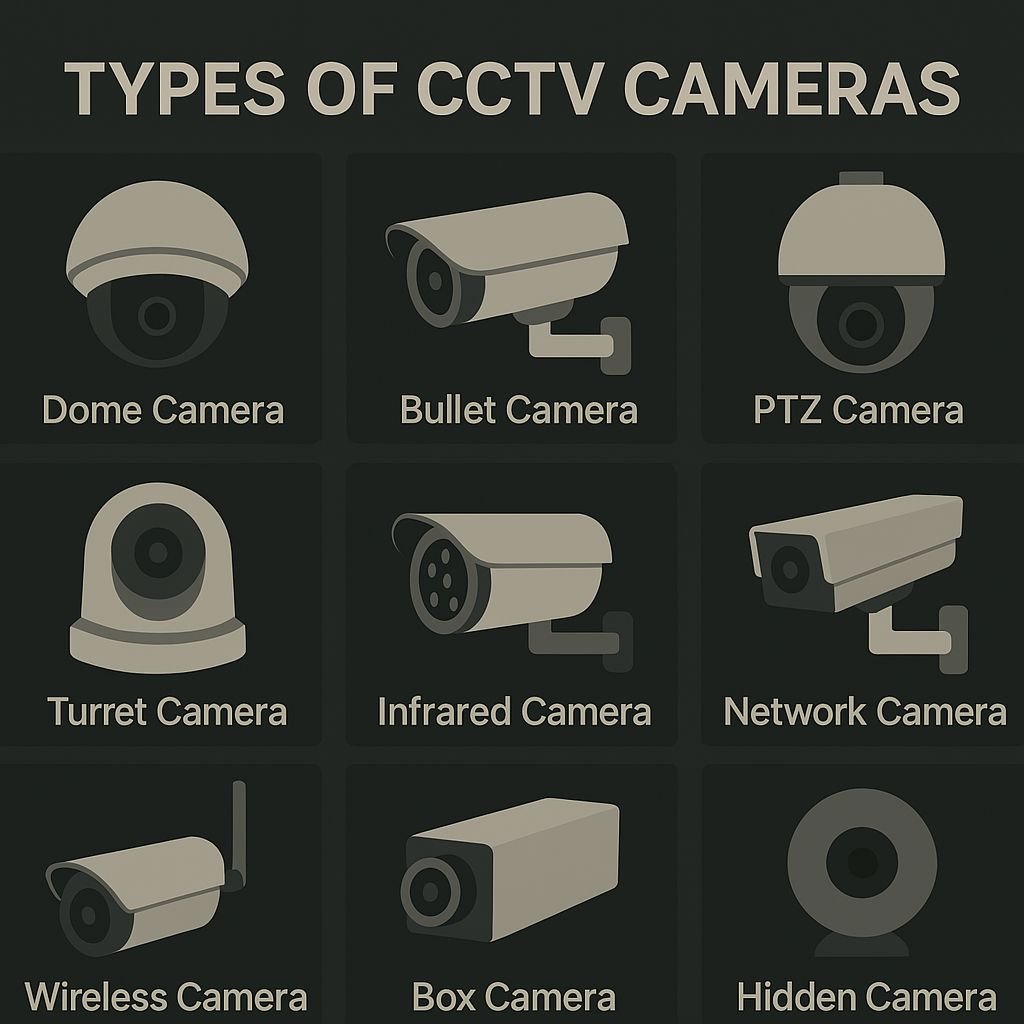
CCTV cameras come in various forms, each suited to specific applications. Each type ensures optimal performance and cost-efficiency. For more on our CCTV offerings, visit our CCTV surveillance services page.
Common CCTV Camera Types:
- Bullet Cameras: Cylindrical, weatherproof; ideal for outdoor perimeter monitoring. Offer long-range visibility but are more visible, aiding deterrence.
- Dome Cameras: Discreet, vandal-resistant; suitable for indoor use in offices or retail spaces. 360-degree coverage options available.
- PTZ (Pan-Tilt-Zoom) Cameras: Remote-controlled for dynamic monitoring; perfect for large areas like warehouses or event venues.
- Thermal Cameras: Detect heat signatures; essential for low-light or foggy conditions common in some Egyptian regions.
- IP vs Analog: IP cameras provide higher resolution and digital features; analog are cost-effective for smaller setups but phasing out in 2025 trends.
In Egypt, popular choices include dome cameras for urban facilities due to their subtlety, while bullet cameras dominate industrial sites for robust outdoor performance.
3. Essential Features for Modern CCTV Systems
Beyond basic recording, 2025 CCTV systems incorporate advanced features powered by AI and IoT, transforming passive surveillance into proactive security.
Must-Have Features:
- Resolution and Image Quality: Minimum 1080p; opt for 4K or higher for detailed footage. Look for Wide Dynamic Range (WDR) to handle Egypt's bright sunlight contrasts.
- Night Vision: Infrared (IR) or color night vision for 24/7 coverage, crucial in areas with inconsistent lighting.
- Motion Detection and Alerts: AI-driven to reduce false positives from wind or animals; integrate with mobile apps for real-time notifications.
- Video Analytics: Facial recognition, license plate reading, and anomaly detection—key advancements in 2025 for smarter security.
- Weatherproofing: IP66/67 ratings for dust and water resistance, essential in Egypt's varied weather.
- Remote Access: Cloud-based viewing via apps, enabling monitoring from anywhere.
4. Wired vs. Wireless CCTV Systems
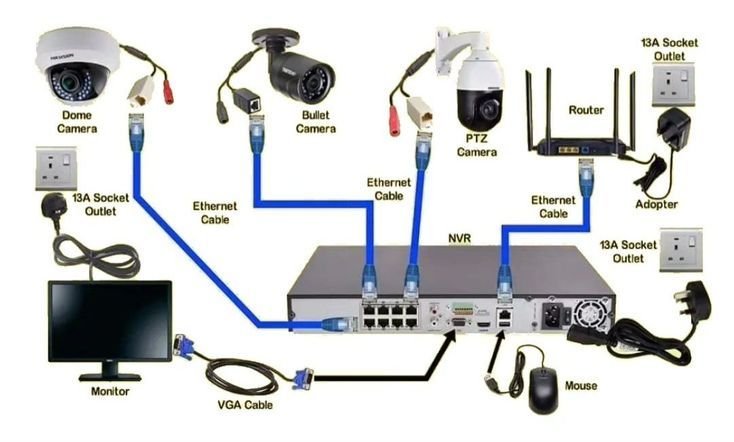
The choice between wired and wireless systems impacts installation, reliability, and scalability.
Comparison Table:
| Aspect | Wired Systems | Wireless Systems |
|---|---|---|
| Reliability | High; no interference | Moderate; potential signal issues |
| Installation | Complex, requires cabling | Easy, flexible placement |
| Cost | Higher upfront | Lower initial, but may need upgrades |
| Scalability | Stable for large setups | Good for retrofits, enhanced by 5G |
| Use Case | Large facilities | Remote or small areas |
For Egyptian urban settings, hybrid systems combining both offer the best balance. Learn more about our integrated solutions at integrated security systems.
5. Storage and Recording Solutions
Effective storage ensures footage availability for investigations. Options range from local DVR/NVR to cloud-based VSaaS (Video Surveillance as a Service).
Choosing Storage:
- Local Storage: Cost-effective for small setups; vulnerable to theft or damage.
- Cloud Storage: Scalable, remote access; growing trend in 2025 with enhanced security features.
- Retention Periods: Comply with Egyptian regulations (e.g., 30-90 days for financial institutions).
- Compression: H.265+ for efficient storage without quality loss.
6. Integration with Broader Security Ecosystems
A standalone CCTV system is limiting; integrate with access control, alarms, and AI analytics for a unified security platform.
In 2025, edge computing enables real-time processing, reducing latency and bandwidth needs. For Egyptian facilities, compatibility with local brands like Dahua or Hikvision ensures seamless integration.
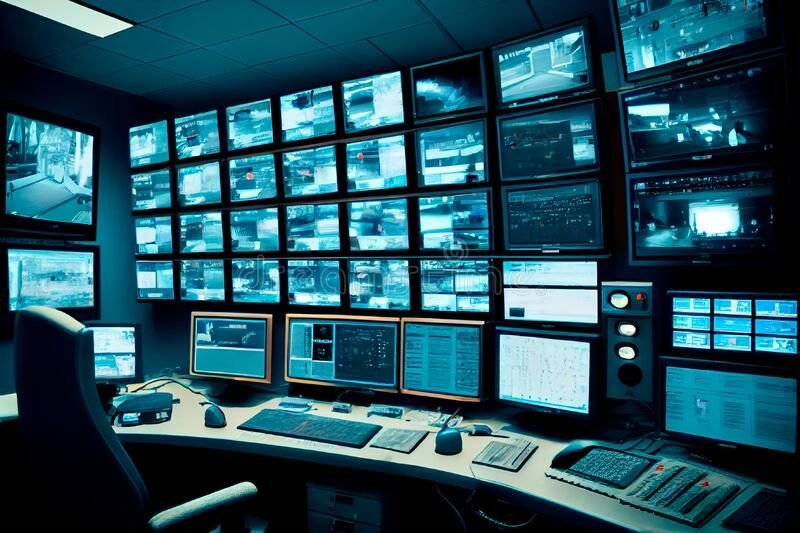
Centralized control rooms allow for efficient monitoring of integrated systems. For more on integration, check our integrated security services.
7. Privacy Considerations in CCTV Deployment
While CCTV enhances security, it must comply with privacy laws to avoid legal issues. In Egypt, the Data Protection Law No. 151 of 2020 governs personal data handling, requiring consent for recording in public areas and secure storage of footage.
Key Privacy Guidelines:
- Inform individuals via signage about surveillance areas.
- Limit access to footage to authorized personnel only.
- Implement data encryption and retention policies aligned with regulations.
- Conduct privacy impact assessments for AI features like facial recognition.
- Avoid recording in private spaces without explicit justification.
Adhering to these ensures compliance while maintaining trust. For guidance on privacy-compliant systems, explore our alarm systems integration.
8. Budget Considerations and Return on Investment
CCTV costs vary from EGP 5,000 for basic setups to over EGP 100,000 for advanced enterprise systems. Factor in installation (20-30% of total), maintenance, and potential insurance discounts.
ROI comes from reduced theft (up to 51% reduction in specific crimes like vehicle theft in monitored areas), improved employee productivity, and legal protection. In Egypt, government incentives for security upgrades in critical sectors can offset costs.
9. Top Brands and Competitors in the Egyptian Market
Egypt's CCTV market features global and local players. Leading brands include:
- Hikvision and Dahua: Dominant with AI features; widely available through distributors like SAC Egypt.
- Hanwha Vision: Premium options for smart analytics.
- Local Integrators: Companies like Al Fahad Smart Systems and Comatrol offer customized solutions.
- Emerging: Axis and Bosch for high-end enterprise needs.
Compare warranties, after-sales support, and compatibility with Egyptian standards when selecting.
10. Installation and Maintenance Best Practices
Professional installation ensures optimal angles and minimal downtime. Maintenance includes regular cleaning (vital in dusty areas), firmware updates, and system audits.
Tips:
- Hire certified installers compliant with Egyptian Ministry of Interior guidelines.
- Schedule quarterly checks to prevent failures.
- Train staff on system usage and privacy protocols.
11. Future-Proofing Your CCTV Investment in 2025
With rapid advancements, choose systems supporting upgrades. Key 2025 trends include:
- AI and Machine Learning: For predictive analytics and reduced false alarms.
- 5G Integration: Faster wireless transmission.
- Cloud and Edge Computing: Hybrid models for efficiency.
- Sustainability: Low-power, eco-friendly cameras.
By investing in modular systems, you can adapt to emerging threats without full replacements.
Conclusion: Making the Right Choice for Lasting Security
Selecting the ideal CCTV system requires balancing needs, features, and budget while considering future trends. A well-chosen system not only protects your facility but also provides peace of mind. In Egypt's evolving security landscape, partnering with experts ensures compliance and effectiveness.
At EGY Blanco for Security, we offer tailored CCTV consultations, drawing from our experience across diverse sectors.
Quick Checklist for CCTV Selection:
- Assess risks and coverage needs
- Choose appropriate camera types and features
- Decide on wired/wireless and storage
- Evaluate integration and scalability
- Address privacy considerations
- Compare brands and budgets
- Plan for installation and maintenance
Ready to enhance your facility's security? Contact us for a free assessment.